
Learn how to make Vegetable Minestrone with our comprehensive guide. This vegetable minestrone recipe is perfect for home cooks looking to create delicious meals.
Key Takeaways and Quick Summary
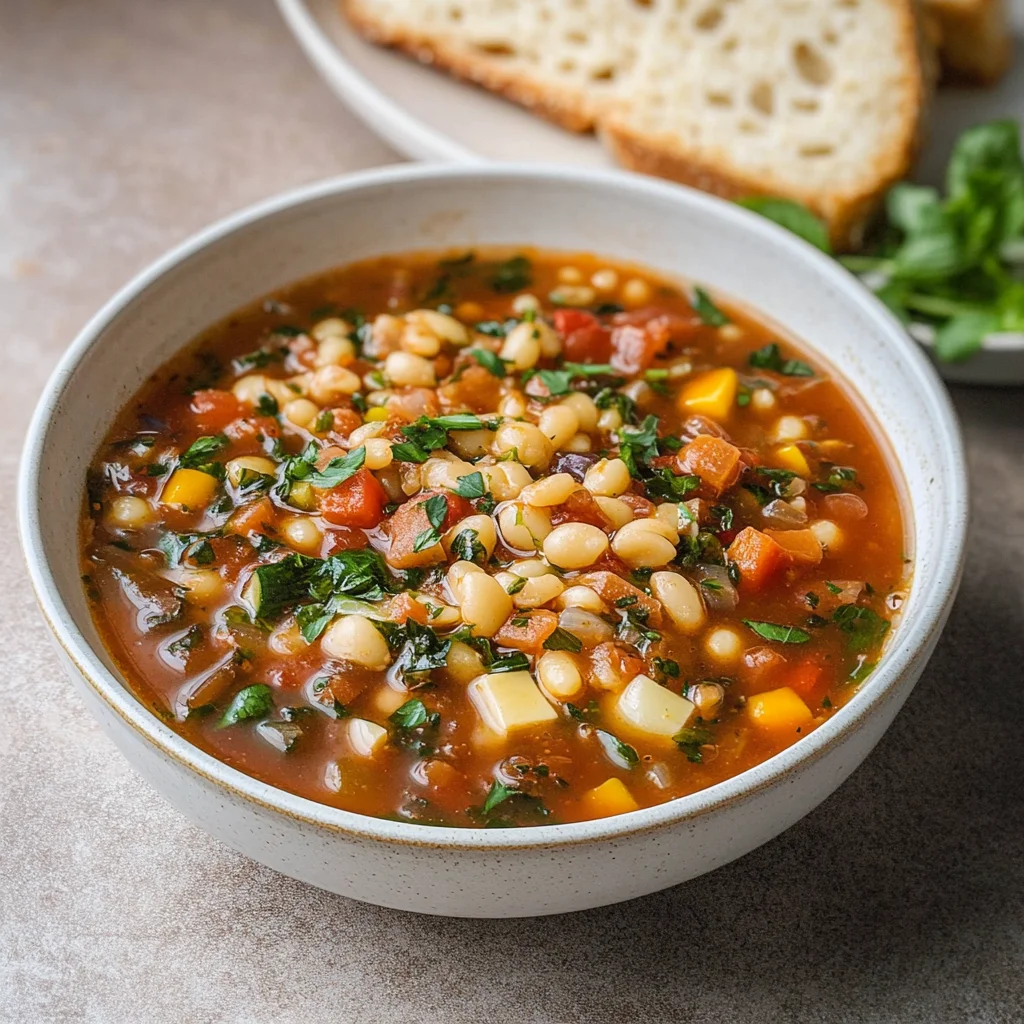
When you are looking for a reliable, nutritious, and satisfying meal that fits into a busy schedule, the Easy Vegetable Minestrone: 50-Minute Hearty Soup Recipe is your solution. This dish is designed for maximum efficiency without compromising on traditional Italian flavor profiles.
- Flavor: A rich, savory base built on fresh aromatics, tomatoes, and a blend of classic herbs.
- Efficiency: The entire process is streamlined into one pot, minimizing cleanup while maximizing flavor development.
- Versatility: Easily adaptable to whatever seasonal vegetables you have in your refrigerator.
Mastering Quick Vegetable Minestrone Flavors
To achieve deep, complex flavor in under an hour, the secret lies in the order of operations. By sweating the onions, carrots, and celery until they are soft and translucent, you build a foundation of sweetness and umami that acts as the backbone for the entire soup.
Advanced Technique Snapshot for Efficient Cooking
Professional cooks utilize “mise en place” to ensure the process remains smooth. By having all your vegetables chopped and measured before the heat is turned on, you can transition seamlessly between steps, keeping the cooking rhythm steady and preventing over-reduction or scorching.
The Art of a Speedy, Flavorful Minestrone
There is something inherently comforting about a pot of soup simmering on the stove while the kitchen fills with the scent of fresh herbs. If you are searching for a reliable, nourishing meal, my Easy Vegetable Minestrone: 50-Minute Hearty Soup Recipe is a true kitchen staple. It combines vibrant, seasonal vegetables with hearty pasta and beans to create a meal that feels both wholesome and sophisticated. Whether you are a seasoned home cook or just starting your culinary journey, you will find that this balanced approach yields consistent, restaurant-quality results every single time you decide to prepare it.
Selecting and Preparing Ingredients
Success begins with high-quality components. For this dish, using fresh carrots and celery is non-negotiable as they provide the structural foundation. According to Harvard T.H. Chan School of Public Health, consuming a diverse array of colorful vegetables is vital for health.
Selecting Peak-Season Vegetables for Minestrone
When selecting your zucchini, look for firm specimens with vibrant skin. Smaller zucchinis are generally more flavorful and contain fewer seeds.
The Role of Aromatics and Umami Boosters
Onions and garlic provide the depth required for a classic profile. The inclusion of canned diced tomatoes adds acidity, which helps balance the richness of the broth. I often look for tomatoes that are harvested at their peak to ensure sweetness.
Pasta Perfection and Broth Choices
Choose a small-shaped pasta like ditalini or small shells. These shapes are designed to hold onto the broth and vegetables, ensuring every spoonful is perfectly balanced. For the liquid base, a high-quality vegetable broth adds body and savory notes. You can explore more about liquid bases through Wikipedia’s guide to vegetable stocks. Always keep a pantry stash of quality dried oregano and basil for those times when fresh herbs are not available.
Essential Cookware and Tools
Having the right equipment transforms cooking from a chore into a seamless experience. For this Easy Vegetable Minestrone: 50-Minute Hearty Soup Recipe, you do not need an extensive collection of gadgets, but a few basics are essential.
Essential Cookware for Large-Batch Soups
A heavy-bottomed Dutch oven or a large stainless steel soup pot is ideal. The thick base ensures even heat distribution, which is critical when sautéing aromatics to prevent them from burning while you attend to other tasks.
Precision Prep Tools for Uniformity
Uniformly chopped vegetables ensure that everything cooks at the same rate. Using a sharp chef’s knife and a stable cutting board is essential. I personally find that taking the extra two minutes to dice everything to a consistent size of about one-half inch results in a much better final texture.
Efficient Heating and Simmering Controls
Your stovetop should provide a reliable medium-high heat for the initial sautéing phase and a gentle low flame for the final simmering stages. Consistency here is key to managing the starch release from the pasta.
Advanced Mise en Place for Vegetable Minestrone
Efficiency is the hallmark of a professional kitchen. When you organize your station before turning on the burner, you remove the stress from the cooking process.
Optimizing Your Workflow for Efficiency and Speed
Group your ingredients into logical clusters: the aromatics (onions, garlic), the hardy vegetables (carrots, celery), the soft vegetables (zucchini), and the flavor boosters (canned tomatoes, broth, spices). Having these staged in bowls allows you to reach for them as needed, preventing the panicked search for a spice jar while your onions are browning.
Pre-Cook Preparations for Maximum Flavor Extraction
I recommend dicing the carrots and celery first, then mincing the garlic. This order keeps your workspace cleaner. By the time you reach for the herbs, your station should be clear of debris.
Strategic Ingredient Staging for Seamless Execution
Keep your pasta measured and ready near the stove. Because pasta absorbs water rapidly, having it ready to drop into the broth at the exact moment the simmer time finishes ensures you do not end up with an overly thick or mushy consistency.
Step-by-Step Instructions: Crafting Your Vegetable Minestrone
Following the steps of this Easy Vegetable Minestrone: 50-Minute Hearty Soup Recipe ensures the flavors meld perfectly.
- In a large, heavy-bottomed pot, heat two tablespoons of olive oil over medium heat.
- Add the diced onion and sauté for about 5 minutes, or until the pieces are translucent and fragrant.
- Add the minced garlic, diced carrots, and chopped celery. Cook for an additional 5 minutes until the vegetables start to soften and release their natural sweetness.
- Stir in the sliced zucchini, green beans, diced tomatoes (with their juices), vegetable broth, drained cannellini beans, dried oregano, dried basil, and a single bay leaf. Bring the mixture to a steady boil over medium-high heat.
- Once boiling, reduce the heat to low and let the soup simmer for 15 minutes. This is where the magic happens; the flavors begin to meld into a cohesive, savory profile.
- Add the dry pasta and cook according to package instructions until the pasta reaches an al dente texture, typically about 8 to 10 minutes. I personally test for texture at the 8-minute mark to ensure it has a slight bite.
- Finally, stir in the chopped fresh spinach and allow it to wilt in the heat of the soup for about 1 minute. Taste the mixture and season generously with salt and pepper. Remember to remove the bay leaf before serving.
This method keeps everything contained in one vessel, making cleanup as easy as the cooking itself. The result is a vibrant, healthy meal that looks beautiful in a bowl.

Advanced Troubleshooting and Common Mistakes
Even experienced cooks occasionally run into hurdles. Here is how to keep your soup on track.
Preventing Mushy Vegetables
If your vegetables are turning mushy, you are likely adding them too early. Ensure that the “hard” vegetables are sautéed properly, but save the delicate spinach for the very last minute.
Fixing a Bland Broth
If the flavor feels flat, check your salt levels first. A tiny splash of acid-like a teaspoon of red wine vinegar or a squeeze of fresh lemon juice-can brighten the entire dish immediately.
Pasta Absorption Issues
If you find the soup is becoming too thick because the pasta has absorbed too much broth, add another half-cup of warm vegetable stock or water. Always store leftover pasta separately if you anticipate having leftovers, as the noodles will continue to soak up liquid while sitting in the fridge.
Correcting Seasoning
Salt should be added gradually. It is easy to add more at the end, but impossible to remove it once the soup is over-salted. Always taste your dish after every seasoning step.
Elevating Your Vegetable Minestrone with Professional Tips
Your Easy Vegetable Minestrone: 50-Minute Hearty Soup Recipe can be tailored to suit any occasion.
Garnish and Finishing Touches
Presentation is part of the experience. A sprinkle of freshly grated Parmesan cheese and a chiffonade of fresh basil leaves adds a professional, gourmet touch that elevates the visual appeal of your bowl. A drizzle of high-quality extra virgin olive oil right before serving adds a silky mouthfeel.
Seasonal Adaptations
In the autumn, swap the zucchini for cubed butternut squash. In the spring, add fresh peas or asparagus tips during the final minutes of cooking.
Protein and Dietary Swaps
If you need a heartier meal, you can stir in cooked chickpeas or even sautéed Italian sausage at the start. For a vegan version, simply use a plant-based cheese or nutritional yeast to achieve that savory, umami-rich finish.
Infusing Herbs
For an even more aromatic result, try tying fresh thyme and rosemary into a bundle with twine-a technique called a “bouquet garni”-and simmering it with the broth, then removing it before serving. This infuses the soup with clean, herbaceous notes without leaving bits of woody stems behind.
Storage, Reheating and Make-Ahead Strategies
Knowing how to handle leftovers ensures you can enjoy this nutritious soup all week long.
Best Practices for Storing Leftovers
Allow the soup to cool completely to room temperature before transferring it into airtight containers. It will keep in the refrigerator for up to 4 days.
Freezing for Future Feasts
Minestrone freezes remarkably well, provided you account for the pasta. For the best quality, freeze the soup base without the pasta. When you are ready to eat, bring the soup to a boil and cook the fresh pasta directly in the hot broth. This prevents the noodles from becoming waterlogged.
Reheating Techniques
Reheat your portion on the stovetop over low heat. If using a microwave, cover the bowl with a microwave-safe lid to trap steam, which helps heat the vegetables evenly without drying them out. Add a splash of water if the soup has thickened significantly while stored, which is common as the starches settle.
FAQ: Your Questions Answered
Can I use different types of beans?
Yes, kidney beans, chickpeas, or even black-eyed peas work wonderfully in this recipe.
What is the best pasta shape for minestrone?
Small shapes like ditalini, small shells, or orecchiette are ideal because they are easy to eat on a spoon.
How do I make this minestrone recipe gluten-free?
Simply swap the wheat pasta for your favorite gluten-free alternative or use small cubes of potatoes.
Can I make this soup ahead of time?
Absolutely! The flavors often improve after sitting for a day in the refrigerator, allowing the herbs and spices to fully permeate the broth.
Conclusion: Your Go-To Healthy, Hearty Meal
Mastering this Easy Vegetable Minestrone: 50-Minute Hearty Soup Recipe gives you a reliable tool for quick, healthy dining. By combining fresh ingredients with simple techniques, you have created a comforting, delicious meal that is as satisfying as it is good for you. See our other soup recipes
Easy Vegetable Minestrone: 50-Minute Hearty Soup Recipe
Equipment
- 1 Large pot A heavy-bottomed pot works best for even heat distribution.
Ingredients
Ingredients
- 2 tablespoons olive oil
- 1 large onion diced
- 3 cloves garlic minced
- 2 carrots diced
- 2 stalks celery chopped
- 1 medium zucchini diced
- 1 cup green beans chopped
- 1 can 14.5 oz diced tomatoes
- 6 cups vegetable broth
- 1 can 15 oz cannellini beans, rinsed and drained
- 1 teaspoon dried oregano
- 1 teaspoon dried basil
- 1 bay leaf
- 1 cup small pasta such as ditalini or shells
- 2 cups fresh spinach chopped
- Salt and pepper to taste
Instructions
- In a large pot, heat olive oil over medium heat. Add diced onion and sauté until translucent, about 5 minutes.
- Add minced garlic, carrots, and celery. Cook for another 5 minutes until vegetables begin to soften.
- Stir in zucchini, green beans, diced tomatoes, vegetable broth, cannellini beans, oregano, basil, and bay leaf. Bring to a boil.
- Reduce heat and let simmer for 15 minutes, allowing flavors to meld.
- Add pasta and cook according to package instructions until al dente, about 8-10 minutes.
- Stir in chopped spinach and season with salt and pepper to taste. Remove bay leaf before serving.